What Are The Best Practices For Sustainable Drainage In Burbank CA 91505 Landscaping?
Starting green outdoor building in Burbank, CA 91505 provides homeowners, property managers, and local businesses the possibility to develop beautiful outdoor spaces while championing sustainability. By incorporating sustainable landscape solutions designed to Southern California’s specific climate, you can protect water, lower energy usage, and support a thriving ecosystem at your doorstep.
Understanding Eco-Friendly Landscape Construction in Burbank, CA 91505
Eco-friendly landscaping centers on sustainable approaches that maintain natural resources while improving your property’s beauty and functionality. In Burbank, where drought and urban development impact green spaces, adopting sustainable landscaping methods like drought-tolerant plants, water-efficient irrigation systems, and recycled materials presents a practical approach. These green landscape solutions not only support environmental health but also improve property value and lower maintenance costs over time.
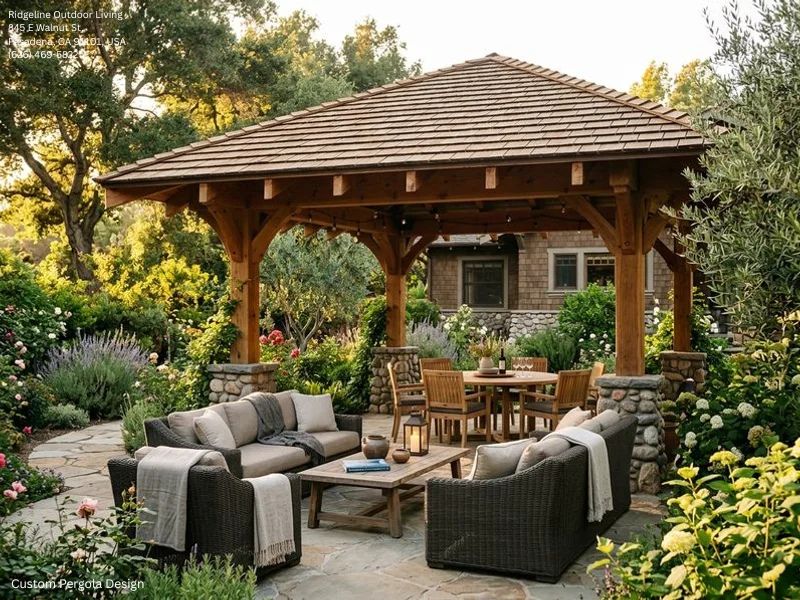
By selecting native vegetation, implementing smart irrigation technologies, and adopting sustainable hardscaping, residents and businesses in Burbank can significantly reduce their carbon footprint and water consumption while creating resilient habitats adapted to local conditions.
Benefits of Sustainable Landscaping Practices
Sustainable landscaping yields numerous ecological and financial advantages. Central among these is water conservation landscaping, important in dry Southern California climates. Adopting drought-tolerant plants and efficient irrigation hardscaping tips lowers reliance on municipal water supplies, cutting utility bills and saving a valuable resource.
Furthermore, sustainable landscapes help with carbon footprint reduction by cutting down lawn mowing and chemical fertilizer use. They support habitat restoration by providing homes for pollinators, birds, and beneficial insects, which boosts biodiversity. These practices also boost soil health, minimize erosion, and prevent harmful runoff, leading to a cleaner urban environment.
Regional Flora and Water-Efficient Plants
Choosing Native Shrubs, Grasses, and Trees
Opting for native plants tailored to Burbank’s Mediterranean climate forms the artificial turf installation basis of an sustainable landscape. Native shrubs like California sagebrush and toyons need minimal water and grow well in local soil conditions free from synthetic fertilizers or pesticides. Pairing these with drought-tolerant grasses such as deergrass lowers irrigation needs further.
Integrating shade trees like coast live oak and western sycamore provides shade from intense heat, decreases surrounding air temperatures, and improves carbon sequestration. These native species promote climate-adaptive landscaping, resulting in a sturdy, low-maintenance garden that bloomss year-round.
Pollinator and Wildlife Habitat Gardens
Developing pollinator gardens with companion planting techniques attracts beneficial insects like bees and butterflies. Plants such as milkweed, purple coneflower, and California poppy sustain pollinators while luring birds and small wildlife, supporting habitat restoration landscaping efforts.
Incorporating diverse layers of vegetation and seasonal bloom cycles strengthens the local ecosystem by providing food and shelter. This approach fosters biodiversity and improves the resilience of your outdoor space against pests and diseases naturally.
Water-Efficient Landscape Technologies
Drip Irrigation and Smart Irrigation Systems
Drip irrigation has perks like precise water delivery directly to plant roots, limiting evaporation and runoff. When used alongside smart irrigation controllers—which regulate watering schedules based on weather and soil moisture—these systems improve water efficiency greatly in Burbank’s dry environment.
Low-energy pumps included in irrigation setups further decrease electricity consumption, enhancing sustainability. Homeowners can enjoy lower water bills and healthier plants with drip and smart irrigation technologies made for local conditions.
Rainwater Harvesting and Greywater Systems
Rainwater harvesting systems, including rain barrels and cisterns, harvest stormwater runoff to irrigate landscapes sustainably. This practice lessens dependence on city water and limits stormwater pollution.
Greywater irrigation means utilizing previously used water from sinks and showers for landscape watering, helping preserve water resources. Along with sustainable drainage solutions, these techniques endorse permaculture design principles and diminish urban water stress.
Green Hardscaping Materials and Techniques
Permeable Blocks, Porous Cement, and Natural Rock
Permeable pavers and porous concrete pathways permit rainwater to infiltrate the ground rather than flow off impervious surfaces, decreasing flooding and encouraging groundwater recharge. Natural stone hardscaping not only brings aesthetic appeal but also offers durability and sustainability.
These elements aid sustainable drainage by assisting bio-swales and decreasing erosion. Their use aligns with Burbank landscaping regulations intended to managing stormwater efficiently.
Reclaimed and Carbon-Neutral Building Supplies
Applying recycled materials such as reclaimed wood for decking or furniture decreases landfill waste and carbon emissions linked to new material production. Utilizing carbon-neutral materials and eco-friendly mulch enhances soil organic matter while reducing environmental impact.
Selecting biodegradable pots during planting helps sustainability by decomposing naturally and avoiding plastic pollution.
Soil and Mulch Management for Sustainable Landscapes
Biological Composting and Fertilizers
Improving soil health through organic composting enhances nutrient cycling and moisture retention. Organic fertilizers obtained from plant or animal sources support plants without toxic chemicals, encouraging sustainable soil ecosystems.
Adding eco-friendly mulch controls weeds, maintains soil moisture, and stops erosion, all while progressively enriching the soil.
Soil Erosion Control and Bio-swales
Employing soil erosion control methods, including terracing and planting ground covers, supports maintain landscape stability on slopes and reduces sediment runoff. Bio-swales—vegetated channels that slow and filter stormwater—deliver sustainable drainage solutions effectively managing rainwater in urban settings.
These methods enhance permaculture design concepts by creating self-sustaining landscapes that require minimal external inputs.
Innovative Green Infrastructure Options
Living Walls and Vertical Plantings
optimize vegetation area in tight areas by planting upward. These features enhance air quality, supply insulation, lessen urban heat island effects, and form attractive focal points.
Incorporating herb gardens upwards also encourages homegrown produce and minimizes food miles, matching green lifestyle goals.
Solar and LED Landscape Lighting
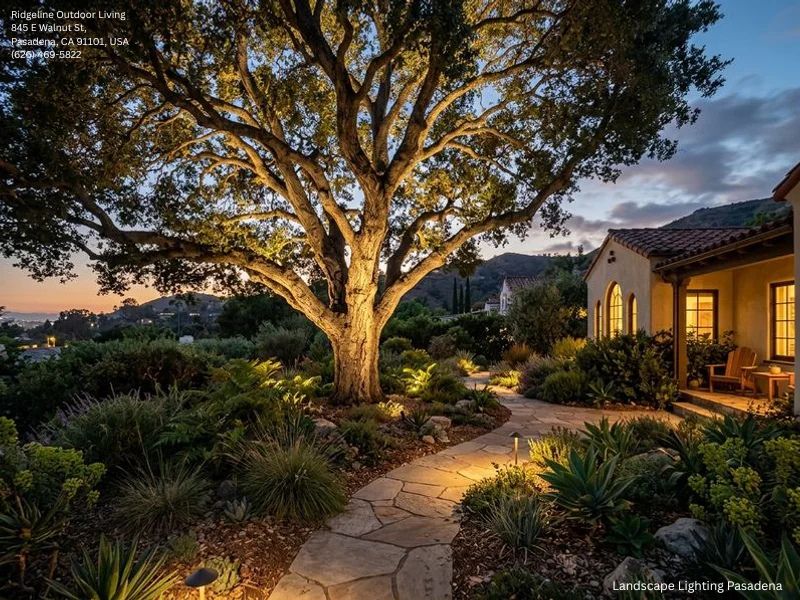
Adopting solar lighting captures renewable energy to brighten outdoor spaces without raising electric bills or carbon emissions. Low-energy LED landscape lights feature long lifespans and vibrant illumination with minimal power draw.
These lighting options elevate nighttime aesthetics safely while backing environmental responsibility in your Burbank landscape design.
Low-Maintenance and Climate-Adaptive Landscaping
Low-maintenance landscaping incorporates plants and materials requiring pruning, watering, and fertilization. Climate-adaptive landscaping adopts tree preservation, drought-resistant landscapes, and resilient species suited to Burbank’s changing climate.
This approach lowers labor and resource inputs, making it perfect busy homeowners and commercial properties seeking to reduce environmental impact and upkeep costs while keeping curb appeal.
Local Regulations and Incentives for Sustainable Landscaping in Burbank
Burbank follows specific landscaping regulations centered around water conservation and sustainable practices. Residents can take advantage of city incentives backing green landscaping projects, including rebates for setting up rainwater harvesting systems and solar-powered outdoor lighting.
Compliance with local water restrictions guarantees responsible water use throughout the year. Staying informed about these programs can help save money while furthering eco-friendly landscape construction goals.
Frequently Asked Questions About Eco-Friendly Landscaping in Burbank
- What are the most water-efficient irrigation options for Burbank landscapes? Drip irrigation combined with smart controllers delivers optimal water efficiency by supplying water precisely when and where it’s needed.
- Where native plants flourish in the Burbank CA 91505 climate? California sagebrush, toyons, deergrass, coast live oak, and western sycamore are outstanding native plants.
- How do I create a pollinator supportive garden at home? Cultivate a diversity of flowering natives with staggered bloom times and skip pesticides to attract bees, butterflies, and birds.
- Can I find local rebates or incentives for installing rainwater harvesting systems or solar landscape lighting? Yes, Burbank offers rebates to support sustainable landscaping investments—check city programs for eligibility.
- What sustainable hardscaping materials are best fit for Southern California? Permeable pavers, porous concrete, natural stone, and recycled materials align with local environmental priorities.
- How exactly do rain gardens handle stormwater runoff in urban areas? Rain gardens collect and clean runoff, minimizing flooding and increasing water quality.
- Can low-maintenance landscaping also be green? Absolutely; selecting climate-adapted plants and sustainable materials minimizes upkeep while benefiting the environment.
- How do the environmental impacts of utilizing reclaimed wood versus synthetic materials? Reclaimed wood lowers waste and embodied carbon, whereas synthetic materials often have higher environmental footprints and disposal challenges.
Conclusion: Upgrade Your Burbank Landscape with Sustainable Construction Solutions
Adopting eco-friendly landscape construction practices in Burbank CA 91505 balances both your design goals and environmental responsibilities. From opting for native, drought-tolerant plants and incorporating water-efficient irrigation to picking sustainable hardscaping and modern green infrastructure, there are countless actionable options to create beautiful, resilient outdoor spaces.
By grasping and making use of local conditions, regulations, and incentives, you can enhance your investment in a green landscape that saves resources, boosts biodiversity, and calls for less maintenance. Commence creating your sustainable landscape today and experience the lasting benefits of a flourishing, eco-conscious environment.
Ridgeline Outdoor Living
Ridgeline Outdoor Living is a Pasadena-based landscape design-build company serving Greater Los Angeles with custom outdoor living, hardscape, and drought-tolerant landscape solutions. The company specializes in patios, retaining walls, outdoor kitchens, drainage, hillside projects, and turnkey landscape construction, handling projects from design and permitting through final build and warranty.
Address:
845 E Walnut St,
Pasadena,
CA
91101,
United States
Phone: (626) 469-5822
Map: View on Google Maps
Business Hours:
- Monday – Saturday: 8:00 AM – 6:00 PM
- Sunday: Closed
Follow Us: