Landscape Lighting And Irrigation Installation Paired With Natural Stone
Revamp your exterior area with the classic charm and durability of natural stone. Being a property owner, landscape architect, or DIY hobbyist, this detailed guide covers everything you require about landscape construction with natural stone to design striking, enduring hardscapes in 2026.
Introduction to Landscape Construction with Natural Stone
Natural stone has been a favored choice for landscape construction due to its unmatched durability, rustic appeal, and sustainable nature. Incorporating materials hardscape builder Pasadena like flagstone, cobblestone, and quarry stone can enhance any outdoor setting through beautifully crafted stone patios, pathways, retaining walls, and decorative features. Beyond aesthetics, natural stone offers strength and longevity that manufactured materials often lack, making it ideal for sustainable landscaping projects.
Integrating natural stone into your landscape design not only enhances curb appeal but also provides functional benefits such as erosion control and slope stabilization. This guide will take you through various stone types, installation techniques, and design tips to help you select properly and design a breathtaking natural stone landscape.
Types of Natural Stone Used in Landscaping
Deciding on the right type of natural stone is essential for the completion of your landscape construction project. Each stone type differs in appearance, texture, and suitability for specific applications. Common choices include:
- Flagstone: Flat, sedimentary stones great for patios, pathways, and stepping stones due to their natural finish and slip resistance.
- Cobblestone: Rounded stones historically used in pathways and edging, delivering a classic, rustic look.
- Quarry Stone: Rough-cut stones ideal for retaining walls, garden walls, and erosion control structures.
- Natural Stone Slabs: Broad, smooth chunks employed for patios, steps, and outdoor kitchen surfaces providing a refined finish.
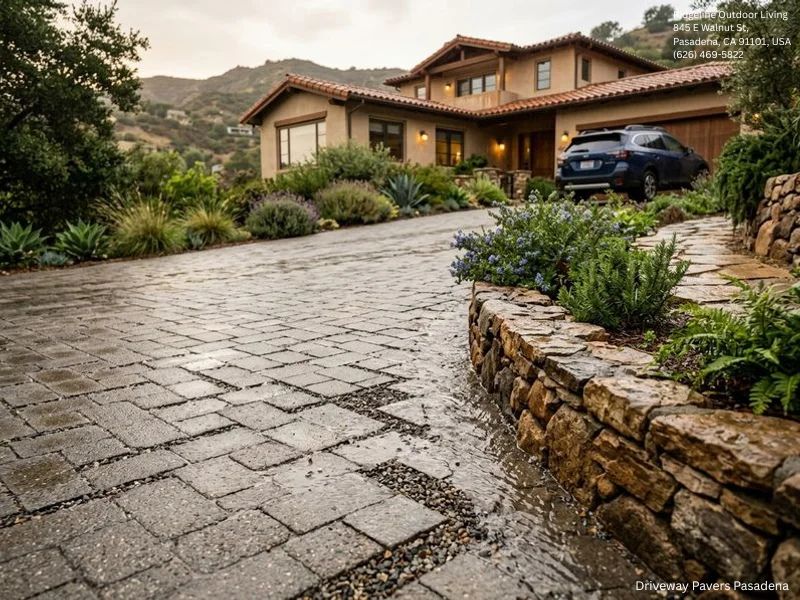
- Stone Pavers: Consistent units frequently applied in driveways and walkways, merging durability with a sleek appearance.
- Stone Veneer: Slim sections of stone applied as cladding to enhance walls, columns, or facades with natural stone texture without massive masonry.
- Natural Boulders: Massive stones utilized in rock gardens, borders, or as focal points within landscape designs.
Common Natural Stone Landscape Features and Applications
Natural stone is suitable for a wide array of landscape features that blend aesthetics with practical function. Below are some common uses:
Retaining Walls and Erosion Control
Stone retaining walls provide structural support for sloped landscapes while bringing visual interest. Techniques such as dry stacking—assembling stones without mortar—allow for flexible, eco-friendly slope stabilization and erosion control. Using quarry stone or natural boulders efficiently forms durable stone fences and garden walls that integrate seamlessly with natural surroundings.
Pathways, Patios, and Steps
Stone pathways lead visitors through gardens with charm and durability. Flagstone and cobblestone paths are popular options for their rustic natural finish and non-slip surfaces. Installing stone pavers or stepping stones requires attention to proper base preparation and stone cutting to maintain stability and aesthetic appeal. Stone patios offer a robust entertaining space that mixes seamlessly with surrounding plantings.
Decorative and Functional Stone Features
Beyond structural elements, natural stone elevates outdoor living spaces with decorative accents such as:
- Stone fire pits that function as cozy focal points
- Stone benches and seating areas uniting comfort with rustic beauty
- Water elements and stone sculptures that offer tranquility and craftsmanship
- Outdoor kitchens incorporating sturdy stone countertops and facades
- Stone planters and edging that frame garden beds with organic charm
Stone Installation Techniques and Best Practices
Expert stone installation depends on using several procedures and careful consideration. Key techniques include:
- Stone Cutting: Careful cutting is vital for fitting stones snugly and attaining intended patterns.
- Stone Masonry: Traditional mortar-based processes create solid, permanent structures.
- Dry Stacking Technique: A mortar-free approach permitting drainage and flexibility, suitable for garden walls and erosion control.
- Stone Veneer Installation: Efficient method for placing thin stone slabs on surfaces without full masonry.
- Stonework Patterns: Herringbone, running bond, ashlar, and random patterns impact both style and stability.
For ideal results, adequate foundation preparation, leveling, and drainage planning are important during installation.
Design Tips for Incorporating Natural Stone in Your Landscape
Using natural stone into your landscape design needs thoughtful planning to emphasize the stone’s natural texture and rustic character. Consider these tips:
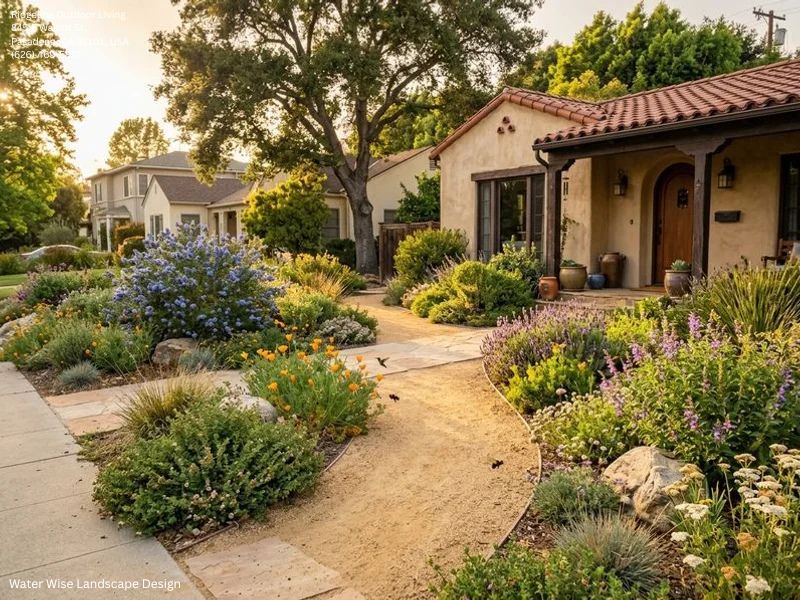
- Apply stone borders and edging to mark pathways and garden beds, balancing hardscape with softscape.
- Mix different stone sizes and types for a varied natural effect.
- Incorporate natural stone with plants and decorative rock to ease transitions and create depth.
- Choose a natural stone finish that suits your home’s architecture and outdoor style.
- Add stone aggregate and gravel around patios or pathways for extra texture and drainage.
- Incorporate outdoor lighting to accentuate stone features, adding ambiance and increasing safety after dusk.
Maintenance and Preservation of Natural Stone Landscapes
Regular care lengthens the life and beauty of natural stone installations. Maintenance tips include:
- Regular stone cleaning with gentle detergents to eliminate dirt and organic growth.
- Coating stone sealing products to protect against water infiltration and staining.
- Checking for and fixing cracks or loose stones immediately to avoid further damage.
- Reducing moss and algae growth, especially in less sunlit or damp areas.
- Examining mortar joints from time to time if applicable and repointing when needed.
- Using protective measures during winter to prevent freeze-thaw damage.
Choosing the Right Natural Stone Supplier and Contractor
Choosing reputable suppliers and skilled contractors guarantees hardscaping tips high-quality materials and craftsmanship for your natural stone project. When choosing suppliers, consider those that provide:
- A wide inventory of natural stone types obtained sustainably
- Stone slabs, quarry stone, and stone veneer with consistent quality
- Knowledgeable staff who can assist with stone selection for your climate and project scale
Employing experienced landscape construction contractors or stone masons promises proper installation techniques and adherence to best practices. Weighing DIY versus professional installation can prevent time and lessen costly errors for complex stonework.
Frequently Asked Questions About Landscape Construction with Natural Stone
- What are the advantages of using natural stone over manufactured stone?Natural stone features better durability, authentic aesthetics, and environmental benefits compared to manufactured alternatives.
- How durable is a natural stone retaining wall?
Through appropriate assembly and preservation, natural stone retaining walls can withstand several decades.
- What is the variation between dry stacking and mortar-based stone walls?Dry stacking means placing stones together without mortar for adaptability, while mortar-based walls use cement to bind stones firmly.
- How do I care for my natural stone patio to avoid damage?Frequent cleaning, sealing, and quick repair of any cracks or loose stones contribute to preserving longevity.
- Can natural stone be used in all climate zones?Yes, but stone type selection should consider local climate to maintain durability under weather challenges.
- How much does landscape construction with natural stone usually cost?Costs vary by stone type, project size, and installation complexity. Acquiring multiple estimates from suppliers and contractors is encouraged.
- What types of natural stone are best for garden pathways?
Flagstone, cobblestone, and stone pavers are popular choices for their natural look and slip resistance. - Is it possible to install natural stone features as a DIY project?Simple projects like stone edging or small pathways can be DIY-friendly, but complex features often demand professional expertise.
Landscape construction with natural stone presents an remarkable way to Beautify your outdoor environment with elegance, durability, and sustainability. By learning about stone types, installation methods, and maintenance practices, you can confidently embark on your stone landscaping project or collaborate effectively with professionals. Whether designing a serene rock garden, a functional patio, or a sturdy retaining wall, natural stone provides timeless beauty and resilience to every outdoor space. Start planning your natural stone landscape today to savor a stunning and enduring outdoor retreat for years to come.
Ridgeline Outdoor Living
Ridgeline Outdoor Living is a Pasadena-based landscape design-build company serving Greater Los Angeles with custom outdoor living, hardscape, and drought-tolerant landscape solutions. The company specializes in patios, retaining walls, outdoor kitchens, drainage, hillside projects, and turnkey landscape construction, handling projects from design and permitting through final build and warranty.
Address:
845 E Walnut St,
Pasadena,
CA
91101,
United States
Phone: (626) 469-5822
Map: View on Google Maps
Business Hours:
- Monday – Saturday: 8:00 AM – 6:00 PM
- Sunday: Closed
Follow Us: