How Is Landscape Construction For Patios And Walkways Done?
Creating stunning and efficient outdoor living spaces is a aim for numerous homeowners. Comprehending what landscape construction for patios and walkways includes is essential for preparing a efficient project that enhances curb appeal and enjoys lasting durability. This comprehensive guide details every aspect of installing patios and walkways—from site preparation to finishing touches—to support your informed planning or get ready to hire landscape contractors.
What Is the Process for Landscape Construction for Patios and Walkways?
Landscape construction for patios and walkways initiates with detailed design planning followed by site preparation to ensure a strong foundation. The critical steps include:
- Site Survey and Design Planning: Executing a in-depth site survey to evaluate topography, soil type, and drainage patterns. This also entails securing necessary permits and drafting blueprints based on landscape architecture principles.
- Excavation and Grading: Clearing existing vegetation, debris, and unsuitable soil while contouring the land to create a level base. Proper grading manages slopes to channel water flow effectively, preventing erosion and pooling around patios or walkways.
- Soil Preparation and Subgrade Formation: Treating the subgrade by compacting soil and laying weed barriers to stop unwanted plant growth that could disturb the walkway or patio over time.
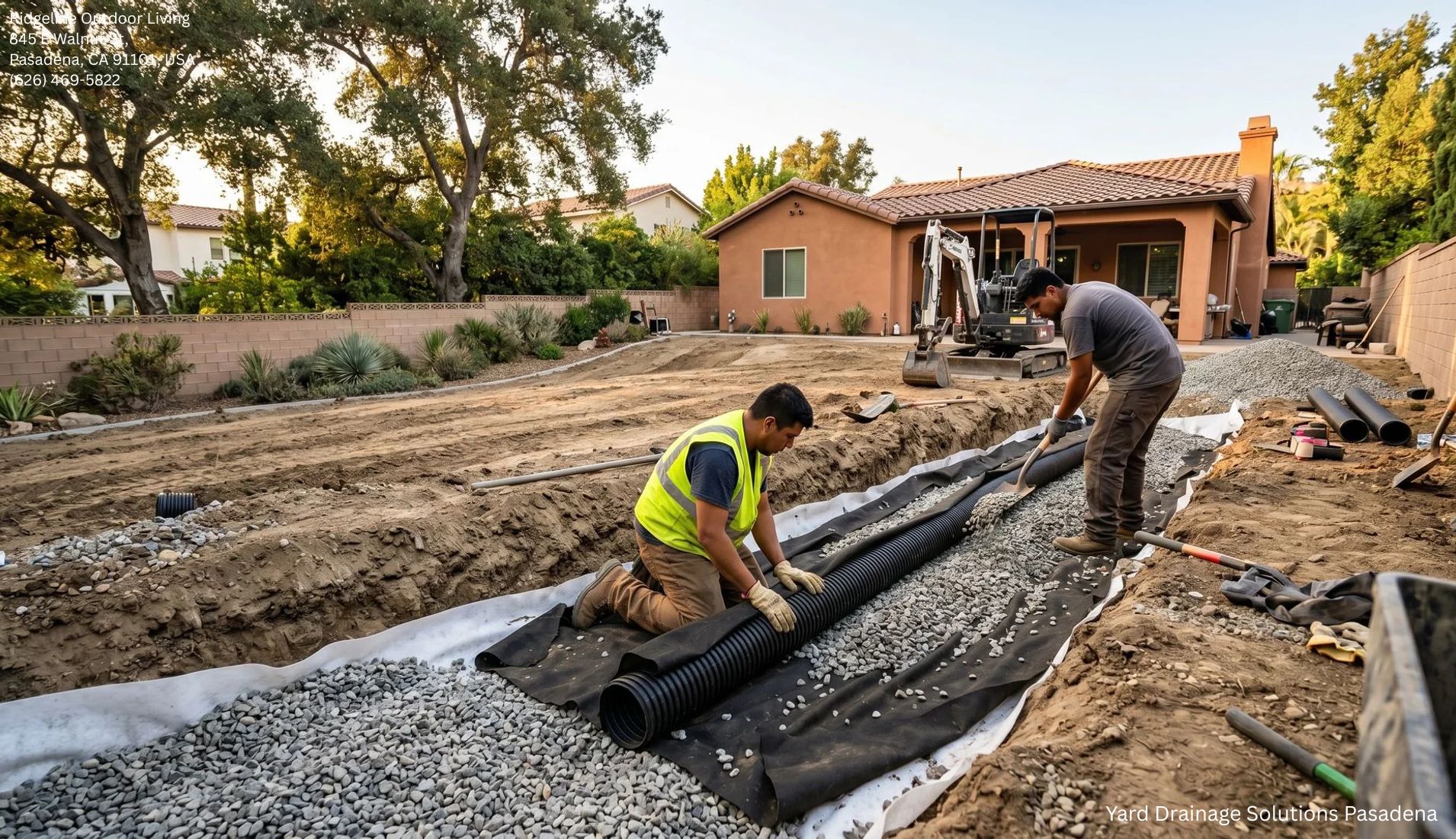
- Base Layer Installation: Spreading a stable base of crushed stone or gravel that provides structural support and assists with drainage.
- Sand Leveling and Compacting: Placing a layer of sand on top of the base layer to create a smooth surface, followed by compacting both layers. This step prevents shifting and settling, which is critical for long-term durability.
Each step is crucial for ensuring that the outdoor flooring is stable, aesthetic, and protected from environmental stresses like erosion and water damage.
What Are Popular Materials for Patio and Walkway Construction?
The choice of patio materials and walkway installation options plays a major role in the look, feel, and lifespan of your outdoor space. Here are some of the most commonly used materials:
- Concrete: A flexible and economical material often used with stamping or coloring techniques to imitate natural stone or brickwork.
- Pavers: Interlocking pavers available in concrete or natural stone varieties offer extensive design possibilities and low-maintenance maintenance.
- Natural Stone:
Flagstone and other stonework materials present a luxurious, natural look and outstanding durability for paths and patios.
Selecting the right blend of materials depends on budget, style preference, climate, and intended usage.
How Is Drainage and Slope Management Managed During Construction?
Proper drainage and slope management are vital to shield patios and walkways from artificial turf Pasadena CA water damage, erosion, and safety hazards. Key considerations include:
- Grading the Site: Establishing gentle slopes away from buildings secures water runoff does not pool on surfaces or near foundations.
- Installing Drainage Systems: Incorporating solutions like French drains, channel drains, or dry wells to smoothly collect and divert excess water.
- Erosion Control Measures: Employing retaining walls, curb borders, and vegetation to stabilize slopes and reduce soil displacement.
- Integration with Irrigation and Water Features: Synchronizing irrigation layouts and water features to avoid oversaturation of landscape areas.
- Safety Considerations: Designing pathways with slip-resistant materials and adequate drainage to ensure secure footing during wet conditions.
Proper slope management combined with suitable drainage guarantees the longevity and safety of outdoor flooring installations.
What Tools and Equipment Are Essential for a Successful Landscape Construction Project?
Landscape contractors and DIY enthusiasts utilize a range of specialized landscaping equipment and construction tools to carry out excavation, grading, and finishing work accurately and efficiently:
- Excavators and Bobcats: Heavy machinery employed for removing soil, vegetation, and debris, and for rough shaping of the terrain.
- Compactors: Plate compactors or rollers are required to firm up base layers and sand, stopping movement and settling.
- Leveling Tools and Laser Levels: Instruments that guarantee precise grading and a level surface, essential for proper drainage and appearance.
- Handheld Equipment: Spades, garden rakes, wheelbarrows, and trowels permit fine adjustments and hands-on work in narrow or sensitive areas.
- Blueprints and Design Plans: Thorough layouts guided by landscape architecture experts provide direction throughout the project, ensuring consistency with planned aesthetics and functionality.
- Safety Gear: Protective Gloves, goggles, footwear, and other protective equipment shield workers during all phases of construction.
Employing appropriate tools and equipment is essential for obtaining high-quality outcomes and ensuring safety on site.
How Do Landscape Contractors Ensure Quality and Longevity in Patios and Walkways?
Skilled landscape contractors apply particular methods and recommended practices to create patios and walkways that endure over time and appear attractive:
- Applying Sealants: Applying sealants on concrete or pavers protects against weathering, staining, and wear, increasing lifespan.
- Applying Joint Sand: Using polymeric or joint sand to fill gaps between pavers locks them in place and prevents weed growth.
- Stamped Concrete and Finishing: Decorative stamping adds texture and custom finishes that elevate curb appeal.
- Landscape Care Guidelines: Contractors offer upkeep schedules including routine cleaning, sealing, and repairs to maintain outdoor floor durability.
- Detailed Budgeting and Timeline Planning: Definitive budgeting and scheduling avoid postponements and additional charges, fostering client contentment.
Detailed attention to these factors optimizes functional performance and look of landscape projects.
What Supplementary Elements Enhance Outdoor Living Environments Alongside Patios and Walkways?
Additional elements help craft welcoming and versatile outdoor spaces besides patios and walkways:
- Garden and Walkway Illumination: Implementing lighting upgrades visibility, protection, and mood during nighttime.
- Retaining Walls: These barriers manage erosion and allow tiered planting areas, giving more yard definition.
- Garden Beds and Mulched Zones: Including rich vegetation balances hard landscaping and fosters an even landscape appearance.
- Automatic Irrigation: Automatic sprinkler systems nurture plants and optimize water conservation.
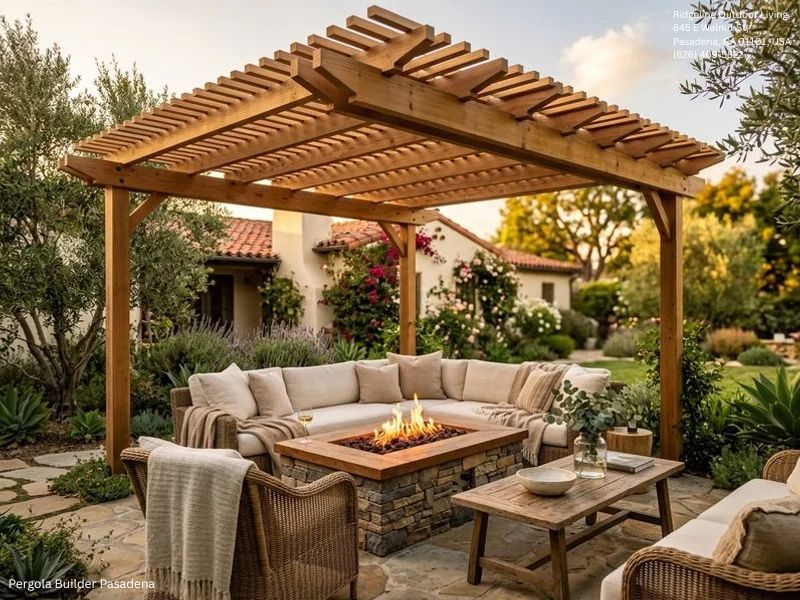
- Outdoor Furniture and Accessories: Comfortable seating and décor extend living space usability and style.
- Water Elements: Fountains, small ponds, or mini waterfalls offer peaceful tones and engaging highlights into the landscape.
Integrating these additions boosts pleasure and builds real estate value by boosting overall hardscaping tips visual appeal.
Selecting Eco-Friendly and Sustainable Materials for Patios and Walkways
Contemporary landscape design increasingly focuses on eco-friendly approaches that encourage environmental awareness while offering resilient outdoor flooring alternatives:
- Permeable Pavement: Materials such as permeable concrete or interlocking pavers permit water infiltration, minimizing runoff and restoring groundwater.
- Recycled Materials: Incorporating crushed recycled concrete or brick reduces waste and protects natural resources.
- Eco-Friendly Landscape Design: Integrating native plants with permeable surfaces minimizes water use and maintenance.
- Biodegradable Mulch and Edging: These biodegradable materials boost soil health and prevent erosion naturally.
Selecting sustainable materials fits your project with green building standards while upholding aesthetic and functional features.
Frequent Issues in Patio and Walkway Construction and How to Address Them
Landscape construction projects commonly encounter issues that call for proactive management to preserve schedule and quality:
- Weather-Related Delays: Wet weather or severe temperatures can impede excavation or concrete curing. Planning seasonal timing and having contingency periods mitigates impacts.
- Soil Instability: Weak soil might require enhanced subgrade preparation or retaining structures to stop settling.
- Cost Overruns: Unforeseen site conditions or material price fluctuations need careful cost estimation and transparent contractor communication.
- Hiring Contractors: Engaging qualified and licensed landscape contractors with proven experience guarantees adherence to best practices and local codes.
Handling these challenges early fosters smooth execution and high-quality outcomes.
How Landscape Architecture Shapes Design and Function of Patios and Walkways
Landscape architecture combines artistic vision with scientific principles to optimize outdoor spaces, factoring in aesthetics, usability, and environmental elements:
- Blueprints and Design Planning: Detailed drawings guide placement, dimensions, and material choices to blend with overall property layout.
- Patio Flooring Aesthetics:
Selecting elements, shades, and patterns boosts curb appeal and matches the home’s architectural style.
- Functional Flow: Thoughtful walkway installation directs foot traffic properly and easily linking key landscape areas.
- Environmental Integration: Suitable grading, drainage, and erosion control align with natural topography and foster sustainability.
Incorporating landscape architecture expertise elevates projects from typical installations to harmonious outdoor living experiences.
Frequently Asked Questions (FAQ)
Q1: How long does a typical patio or walkway construction project take?
A1: The timeline varies depending on size, complexity, and weather conditions. Generally, projects last a few days to several weeks, including excavation, base installation, material laying, and finishing touches.
Q2: What maintenance is required for patios and walkways after construction?
A2: Routine care includes sweeping, periodic sealing to protect surfaces, controlling weeds within joints, and repairing cracks or displaced materials promptly to increase lifespan and appearance.
Q3: Are permits always required for building patios and walkways?
A3: Permit requirements change based on local regulations and project scale. It is important to consult municipal authorities to guarantee compliance before starting construction.
Q4: Can I install a patio or walkway myself, or should I hire a contractor?
A4: While small, simple projects may be doable for DIY enthusiasts, professional landscape contractors bring expertise, proper equipment, and knowledge of building codes to guarantee durability and safety.
Q5: What is the most durable material for walkways?
A5: Concrete and natural stone like flagstone are among the most durable options. However, correct installation techniques and ongoing maintenance importantly influence long-term performance.
Conclusion:
Landscape construction for patios and walkways entails a series of carefully planned steps, from surveying and soil preparation to material selection and finishing. Understanding this process enables homeowners and DIYers to create outdoor living spaces that are both attractive and durable. By selecting appropriate materials, managing drainage and slopes properly, using the right tools, and possibly working with skilled landscape contractors, you can achieve a patio or walkway that boosts your property’s curb appeal and functionality for years to come. Consider integrating additional features such as lighting, retaining walls, and water elements to further enhance your outdoor experience. With expert design and execution, your patio or walkway will become a prized extension of your home.
Ridgeline Outdoor Living
Ridgeline Outdoor Living is a Pasadena-based landscape design-build company serving Greater Los Angeles with custom outdoor living, hardscape, and drought-tolerant landscape solutions. The company specializes in patios, retaining walls, outdoor kitchens, drainage, hillside projects, and turnkey landscape construction, handling projects from design and permitting through final build and warranty.
Address:
845 E Walnut St,
Pasadena,
CA
91101,
United States
Phone: (626) 469-5822
Map: View on Google Maps
Business Hours:
- Monday – Saturday: 8:00 AM – 6:00 PM
- Sunday: Closed
Follow Us: